


Whoa! I remember the first time I lost access to a wallet because of a bad seed phrase backup. Seriously? It felt like someone emptied my pockets. My instinct said there had to be a better middle ground between raw self-custody chaos and handing everything to a custodian. Initially I thought browser extensions were too risky, but then I spent months testing and realized they can actually make day-to-day DeFi both safer and more usable when set up right. Here’s the thing — you don’t get perfect security, but you often get a far better trade-off for convenience and control than most mobile-only setups provide.
Whoa! Small wins matter. I tweaked my setup and stopped losing tiny airdrops to gas mistakes. The workflow became faster and less error-prone. On one hand extensions expose your keys to the browser environment, though actually modern wallet engineers design around that with strict isolation and hardware-wallet integrations. My mind changed when I saw how a good extension separates network connections and rejects suspicious calls before they hit the chain.
Really? People underestimate UX. You can be very very careful and still make a dumb click. I admit that I used to assume CLI tools were the only “serious” option. Then I tried a polished extension that combined transaction simulation, contract allowlisting, and a clear approval UI. It cut my mental load and gave me confidence while interacting with complex DeFi apps.
Hmm… somethin’ about that first approval pop-up bugs me. I watched a friend approve infinite allowance on an NFT contract without reading it. My gut said “pause”, and I intervened. Actually, wait—let me rephrase that: the problem is not the wallet per se, it’s user habits and the defaults apps present. A wallet that surfaces risk indicators and granular allowance controls reduces accidents dramatically.
My practical checklist for evaluating a browser extension wallet
I keep this list short and practical. Wow! First: clear transaction details and simulation are non-negotiable. Second: easy hardware wallet integration is a must, because even the best extension shouldn’t be the single point of failure. Third: granular permission controls — think per-contract and per-token approvals — so you can revoke or limit allowances without pain. Fourth: a sane recovery process that doesn’t force you into a single point of catastrophic failure. Finally, support for multiple chains and RPC management, because you don’t want surprises when you switch networks.
Whoa! I want to shout this from the rooftops. If you care about safety, check wallets that let you preview calls and see the exact function being executed. My instinct said “privacy matters too,” and that pushed me toward wallets with built-in privacy features and minimal telemetry. I’m biased, but a wallet that feels like it respects your time and attention will make you less likely to override good security habits. (oh, and by the way… latency and network reliability matter when doing arbitrage or time-sensitive ops.)
Okay, so check this out—after trying half a dozen extensions I landed on one that balanced these needs and made daily DeFi feel smoother. The wallet added transaction simulation so I could see gas estimates and failing state changes before confirming. It also had a simple UI for connecting hardware keys and for creating ephemeral session accounts for risky interactions. On the whole it felt like a product designed by people who actually use DeFi every day.
One of the most practical features for me was the ability to manage approvals without hunting through etherscan. My instinct said that revoking allowances needed to be painless. Initially I thought manual revocation would be slow, but then the wallet built a grants dashboard that lists and revokes permissions in two clicks. That saved me from repeated exposures after interacting with new contracts.
Really? You should care about permissions. I once saw an app ask for broad rights to transfer tokens and my friend accepted reflexively. I couldn’t believe it. On deeper thought, though, it’s easy to mix up UI labels and authorizations in a rush. A wallet that summarizes “what this permission allows” in plain language reduced those mistakes dramatically for my group of trader friends.
Here’s what bugs me about many extensions: they treat every DApp connection the same. My instinct said treat risky DApps differently. So I started using a workflow of separate profiles and ephemeral accounts for first-time interactions. This way the exposure window is limited and refunds are easier to manage if something goes sideways. Over time this habit reduced stress and made me more adventurous, oddly enough.
Hmm… hardware keys deserve their own callout. Use them. Seriously? Yes. Integrate a hardware signer and keep the extension as a signer front-end rather than the core keyholder. Initially I feared UX friction, but modern integrations let you confirm transactions on-device while the browser extension handles metadata and simulation. That balance gives you speed plus strong key isolation.
Something felt off about the recovery options offered by some wallets. Some made recovery feel like a black box, and that freaked me out. My recommendation is to favor wallets that support multiple recovery strategies or that allow you to mix seed phrases with social or hardware-based recovery. On one hand more options increase complexity; on the other hand single-path recovery is a single catastrophic failure mode and I avoid that like the plague.
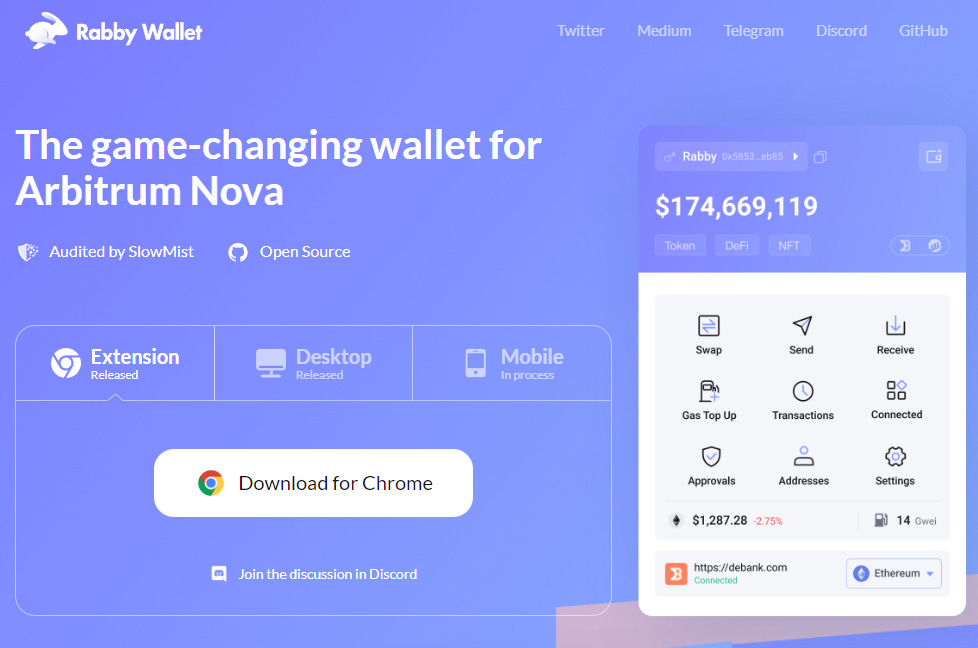
Okay, let me get practical: if you want to try what I use, give the rabby wallet a spin for a few days to see how it changes your flow. Really? Yes—rabby wallet presents approvals clearly, supports hardware keys, and has useful devtools for inspecting transactions. I’m not handing out a blanket endorsement for every user, but for my friends who trade, farm, or use composable DeFi it hit the sweet spot between safety and speed.
My approach wasn’t perfect. I made some mistakes along the way. At first I assumed more features meant more safety, though actually the inverse can be true if features add cognitive load. So I pared back, standardized a small set of practices, and built redundancy into my backups. I also teach newer users to check the “what am I approving” line every time and to refuse infinite approvals by default.
Wow! Seeing a phishing site mimic a common DApp was an eye-opener. I remember freezing up when a transaction request looked legitimate but the destination was wrong. That moment convinced me that wallet UX should foreground destination addresses and contract names. My working rule now is to never approve spending without seeing the contract code or a recognized audit badge when it’s a large transfer. That saves heartache.
On the cultural side, US DeFi folks I know balance risk differently than European friends. We tend to chase yield and trade more frequently, which raises the importance of speed and good defaults in the wallet. I’m biased toward features that favor rapid but safe interaction, like batch revokes and custom gas presets. That style of tooling matters if you hop between Uniswap, GMX, and a couple of new launchpads in a single afternoon.
Hmm… I leave somethin’ open-ended sometimes. There’s no one-size-fits-all. Some traders will prefer CLI tools and multisig houses; some long-term holders want cold storage full stop. For many of us though, a well-designed browser extension reduces friction without giving up control. My advice is to test it in a low-stakes environment and evaluate how it changes your habits.
Common questions
Is a browser extension wallet safe enough for serious DeFi?
Short answer: yes, if you combine it with hardware signing, careful permission management, and minimal exposure accounts. Long answer: the extension acts as an interface, not a silver bullet, and its safety depends on how you configure it and the practices you adopt.
How do I avoid infinite approvals and token drains?
Use the wallet’s granular permission controls, approve specific amounts rather than infinity, revoke unused allowances regularly, and consider ephemeral wallets for first-time DApp interactions. Also check transaction simulations and the recipient contract address before confirming.
Where can I try a wallet that balances usability and safety?
For a practical start, try rabby wallet to see how sim previews, permission dashboards, and hardware integrations can change your day-to-day DeFi experience.
I’m not 100% sure this workflow will suit everyone, and that’s fine. My instinct says you should test, fail cheaply, and iterate—so you build habits that protect your assets without making DeFi feel like a chore. In the end I felt more confident and less anxious about clicking approve, and that quiet confidence is worth the effort.