


I was knee-deep in a liquidity pool when somethin’ weird popped up on my screen — slippage higher than I’d expected and a token transfer that read like a Rube Goldberg diagram. My gut said, “pause,” and my brain started doing the math, scanning approvals, and replaying the transaction in my head. Initially I thought the obvious: blame the pool, blame the front end, move on. Actually, wait—let me rephrase that: I should’ve blamed my tooling first, because the tooling would have caught it. Wow!
Here’s the thing — wallets used to be simple vaults, and now they’re the cockpit for composable finance where one wrong click costs real dollars and reputation. On one hand, you want speed: a slick UI, quick approvals, hot-swappable chains. On the other hand, you want the slow, careful parts: simulation, nonce control, and the ability to inspect every calldata piece before you hit send, because once a contract is live it doesn’t care about your feelings. My instinct said “there’s gotta be a better way,” and I started digging into wallets that actually simulate transactions. Really?
Portfolio tracking feels obvious — but it’s also quietly complicated when you hold LP positions, staked derivatives, and yield-bearing synthetics across three chains. Many trackers just poll token balances and show USD — which is fine until your TVL is spread across strategies that rebalance automatically or use streaming rewards. So, you need an account-level lens and a strategy-level lens, because numbers alone don’t tell the story; you need to see protocol exposure, impermanent loss risk, and pending claimable rewards. Long spreadsheets help only so much, and honestly this is where the right wallet tooling becomes a portfolio-management centerpiece, not just a signing device. Whoa!
Smart contract interaction is a different beast entirely — it’s where you trade convenience for vulnerability. I used to click through approvals like a champ, but then one day a token permitted an unlimited allowance and a dusting exploit made me rethink everything. Initially I thought X approvals were harmless, but then I realized Y: unlimited approvals are attack surfaces. On one hand, batch approvals speed up life; though actually, when you simulate the call and replay it against the current state, you see how tiny edge cases can blow up. Hmm…
Transaction simulation is the single feature that changed my behavior the most, because seeing the expected state after a hypothetical execution is like turning on headlights at night. Wallets that simulate can show reverts, slippage paths, and even gas estimation failures before anything touches the mempool, and that saves time and money. I recommend using a wallet that makes simulation visible and understandable, not buried under logs — that’s where you’ll spot rogue redirects, sandwich risk, and bad permit behavior. I’ve been using a wallet that integrates these checks and also nudges you to revoke approvals you no longer need, and it’s become part of my daily habit. Seriously?
When I talk about security I mean layered security — transaction simulation, built-in phishing detection, domain whitelists, hardware-wallet support, and clear UI cues for contract calls. One of the things that bugs me is how many wallets hide calldata behind a “Confirm” button, as if transparency is optional. Okay, so check this out—when you can inspect the actual function signature, the parameters, and the target contract, you can often spot malicious intent without being a solidity expert. Here’s the thing.
Usability matters too — because if a tool is hard to use, people take shortcuts and shortcuts bite back. I like when a wallet groups actions by protocol, shows historical gas paid, and offers contextual suggestions like “this token requires a permit” or “you don’t own enough ETH on this chain for gas.” I’m biased, but a wallet that reduces cognitive load while forcing good habits is worth the small learning curve it imposes. One time a simulation saved me from a 2 ETH mistake when a bridge’s front end constructed a bad calldata path — I still smile about that. Wow!
DeFi protocol complexity means you need composability-aware tooling: cross-contract simulators that can trace multi-step flows, alerts for unsafe slippage, and an exportable audit trail if you need to dispute a front-end bug. On one hand, protocols are innovating fast and that’s exciting; though actually, faster innovation multiplies edge cases and hidden interactions, so tooling must evolve faster than the protocols do. There’s no silver bullet, but better visibility and conservative defaults do a lot. Really?
If you care about being proactive, pick a wallet that gives you both macro portfolio views and micro transaction insights — and yes, that includes chain hopping without losing your approvals snapshot. For me that meant switching to a tool that simulates complex contract calls, surfaces suspicious permissions, and integrates with hardware keys when I’m moving large amounts. I should say too that not every day is dramatic; most days it’s about catching small leaks before they become floods, which is boring but very very important. Here’s the thing.
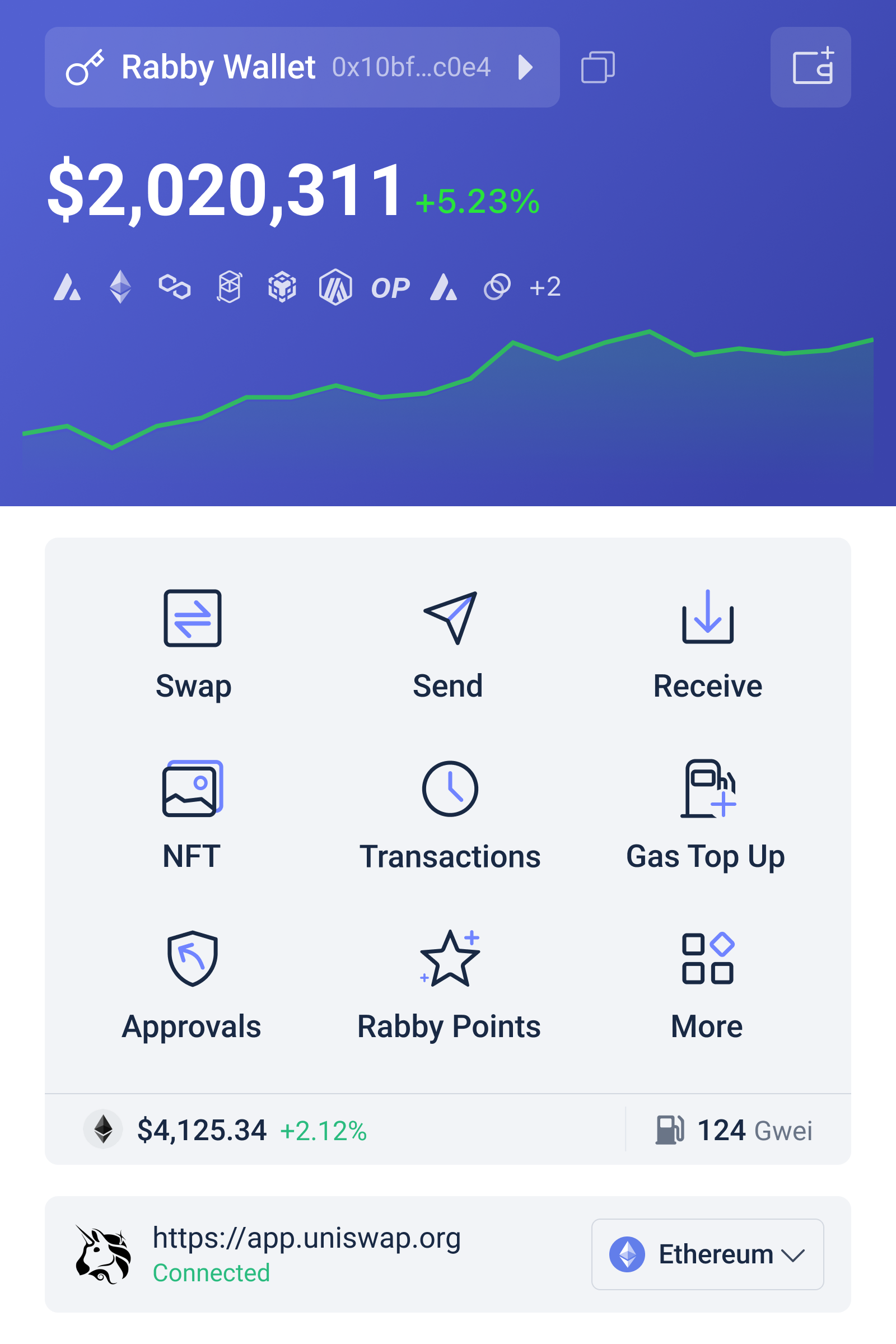
Okay, few tactical recommendations that I’ve learned the hard way: reduce unlimited allowances, use simulation for multi-hop trades, track protocol exposure rather than just token balances, keep a small hot wallet for experiments and a cold stash for serious funds, and log every unusual transaction. If you’re curious about a wallet that combines simulation and security-first UX, check out rabby wallet — it’s become my go-to for inspecting contract calls before I sign and for keeping an eye on cross-chain positions. I’m not 100% impartial — I like neat UX and clear signals — but this one helps me sleep at night. Hmm…
Look, DeFi won’t get less complex. Protocols will keep composing and attackers will keep scanning for the next weird calldata trick, so your best defense is good tooling plus discipline. Something felt off about treating wallets as dumb signing boxes; now they’re the command center and your behavior needs to match. On balance, you want a wallet that nudges you toward safe defaults without feeling like a lecture. Here’s the thing.
FAQ
How does simulation actually prevent losses?
Simulation replays a signed but unsent transaction against a node or a forked state so you can see what would happen if it executed right now; this reveals reverts, large slippage, front-running paths, and incorrect calldata before you commit. It doesn’t stop every exploit, but it catches many logical mistakes that would otherwise cost you gas and funds, and it makes approvals and permit flows transparent. Wow!
Can a wallet replace an audit or a hardware wallet?
No — audits and hardware keys cover different threat models: audits examine code and assumptions, while hardware wallets protect private keys from local compromise. A security-first wallet should work with hardware devices and surface audit findings and contract ownership information, but nothing replaces good operational practices and third-party reviews. Really?